— The Method
How it comes together.
- Step 01
I start by rinsing the mussels in cold water and checking each one carefully, discarding any that stay open when tapped or have broken shells. This only takes a few extra minutes, but it matters because the dish cooks so fast there is no room for bad shellfish to hide. In a wide pot, I melt the butter and soften the shallots and garlic gently until they smell sweet and savory rather than browned. Then I add the thyme, bay, pepper, and white wine and bring everything to a lively simmer.
- Step 02
Once the broth is bubbling, I tip in the mussels, cover the pot tightly, and let the steam do the work. I shake the pot once or twice as they cook so the heat moves evenly and the shells open at the same pace. Within a few minutes the mussels should bloom open and release their briny juices into the wine. The aroma should smell like sea air, herbs, and butter all at once.
- Step 03
I uncover the pot as soon as most of the shells have opened, because overcooked mussels go from tender to rubbery very quickly. I discard any that remain firmly shut, then stir in the parsley, lemon juice, and a touch of cream for a slightly rounder finish. The broth should be light but full-flavored, with salinity from the mussels and enough acidity from the wine to keep it bright. I taste before adding any salt, since mussels often season the broth naturally.
- Step 04
To serve, I pile the mussels into warm bowls and spoon plenty of the broth over the top so every guest has something worth sopping up. I like to bring the whole pot to the table when the setting allows, because the steam and aroma create a little theater. With fries, grilled bread, or even a simple salad, it becomes a complete bistro meal. The secret is serving it immediately, while the shells are hot and the broth is still alive with the scent of wine and herbs.
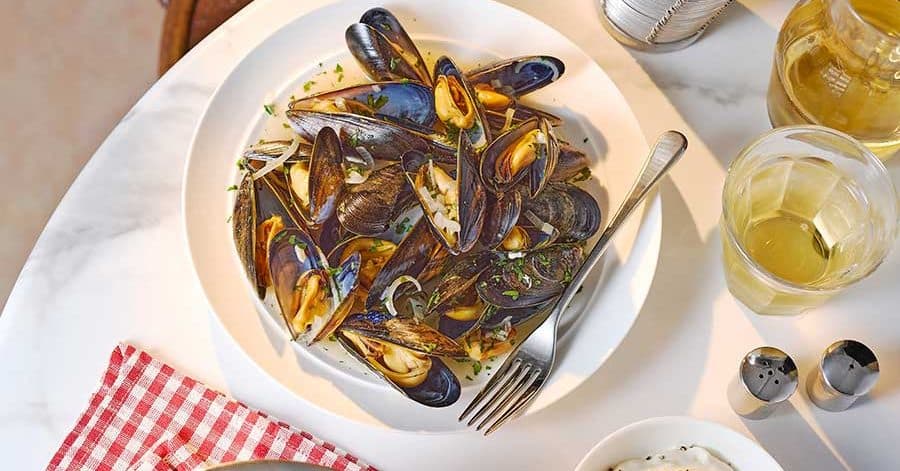
Moules Marinières
— Community feedback
Average Rating
Rate this recipe
— Rate this recipe
— Reader comments