
— French
French Recipes.
Burgundy, Provence, Lyon — the slow tradition and the mother sauces.
French technique is the backbone of how I cook professionally. From the mother sauces to the patience of a proper confit, these recipes reflect what I learned in fine dining kitchens and continue to practice at private tables across Boston. Expect braised dishes that take half a day, Provencal vegetable preparations that honor simplicity, and the kind of foundational cooking that makes everything else better.
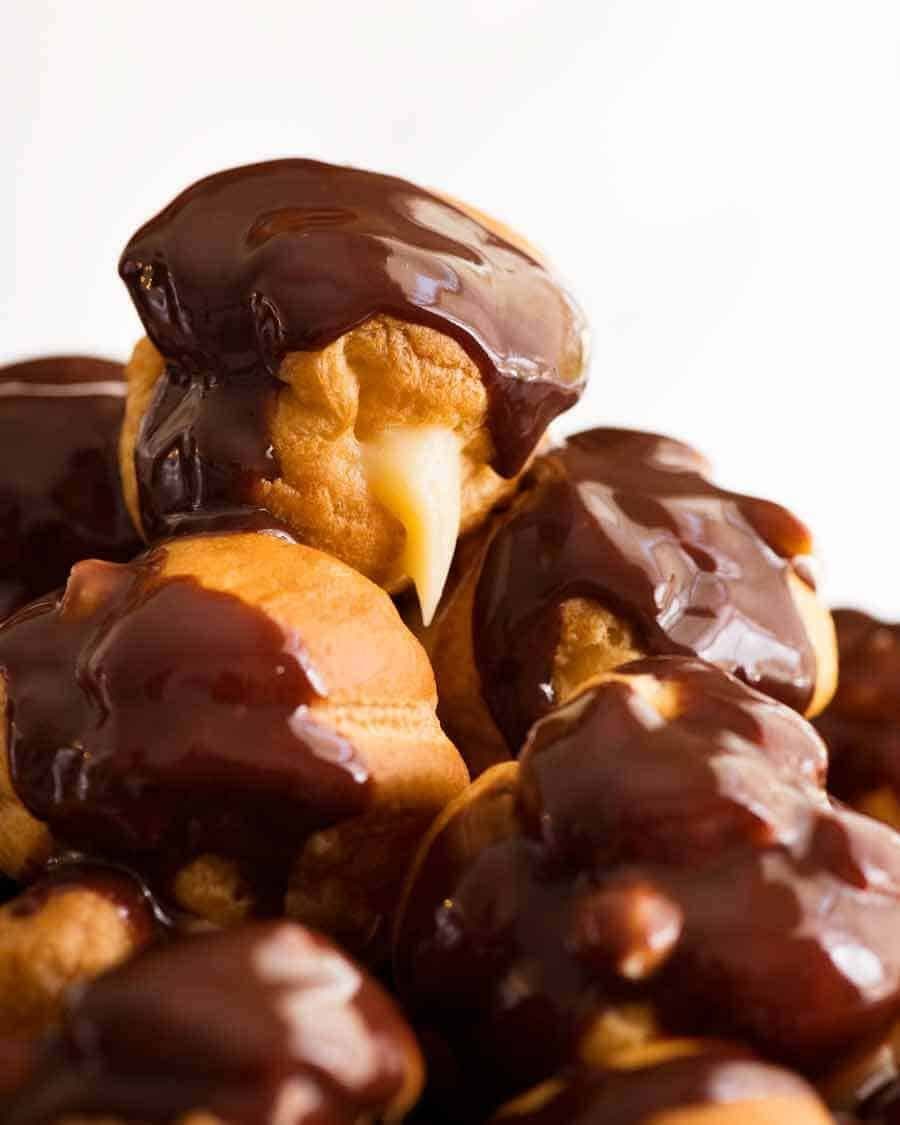
Profiteroles au Chocolat
Profiteroles always bring a little drama to the table, and I mean that in the best way. The shells are light and crisp, the filling is cold and creamy, and the warm chocolate sauce ties everything together in one beautiful contrast. For me, this is classic French dessert theater done with real technique.
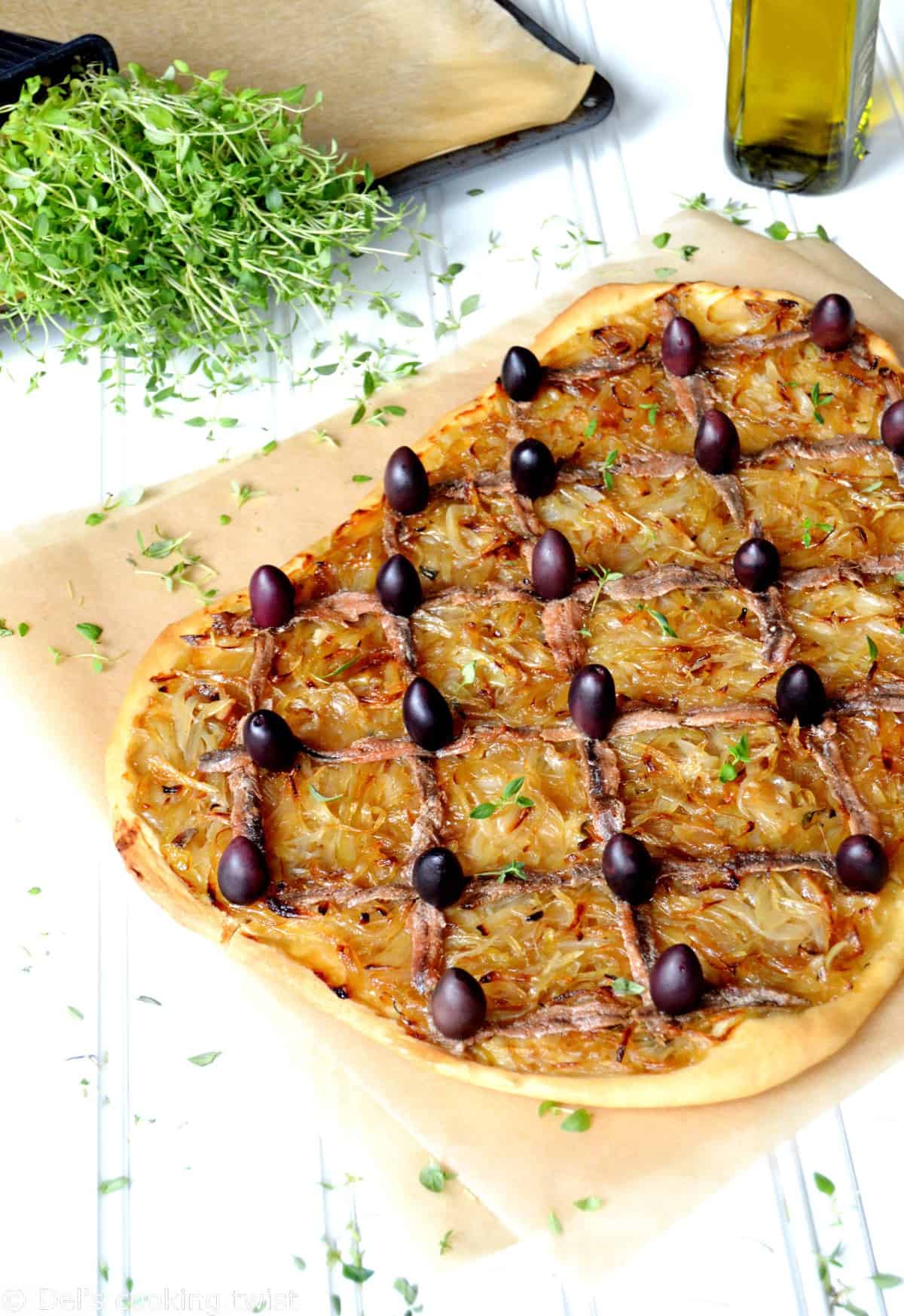
Pissaladière
Pissaladière has everything I love about rustic French cooking—sweet onions cooked down slowly, briny anchovies, olives, and a crisp base that carries real flavor. It is humble food, but when it is made properly, it feels deeply intentional. I like serving it warm with wine while guests settle in.
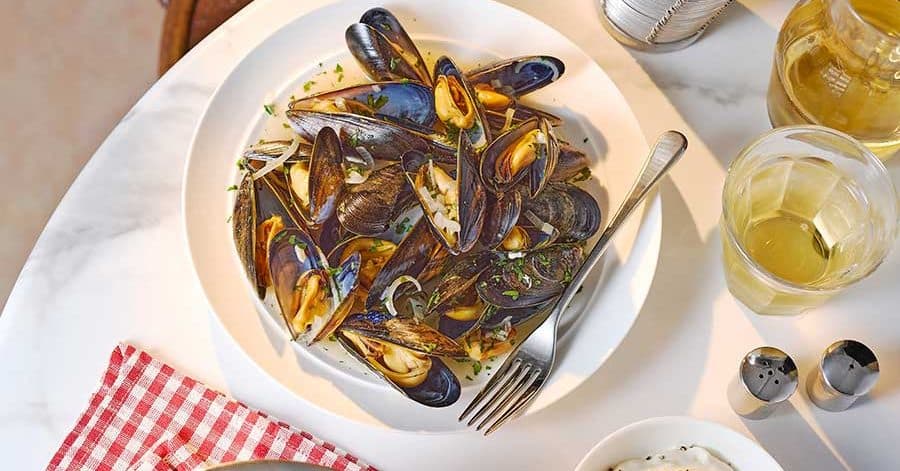
Moules Marinières
I love how quickly moules marinières transforms a table. A pot of mussels opened in white wine, garlic, and herbs feels generous, fragrant, and just a little seductive, especially with fries or grilled bread on the side.
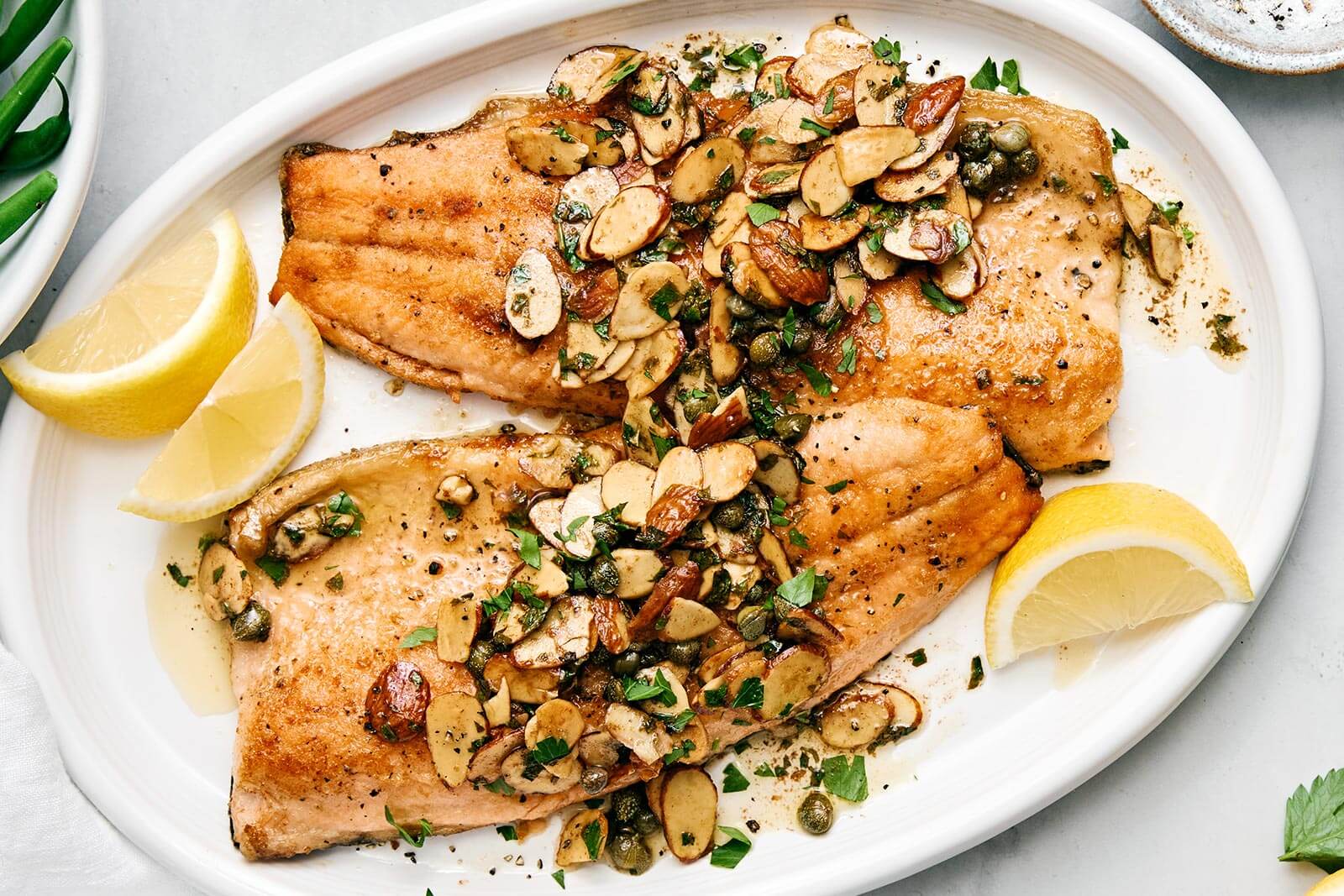
Trout Amandine
I reach for trout amandine when I want something French, elegant, and fast enough to serve without losing momentum in the kitchen. The fish stays delicate, the almonds turn fragrant in butter, and a hit of lemon keeps everything bright. It feels polished, but it never feels heavy.
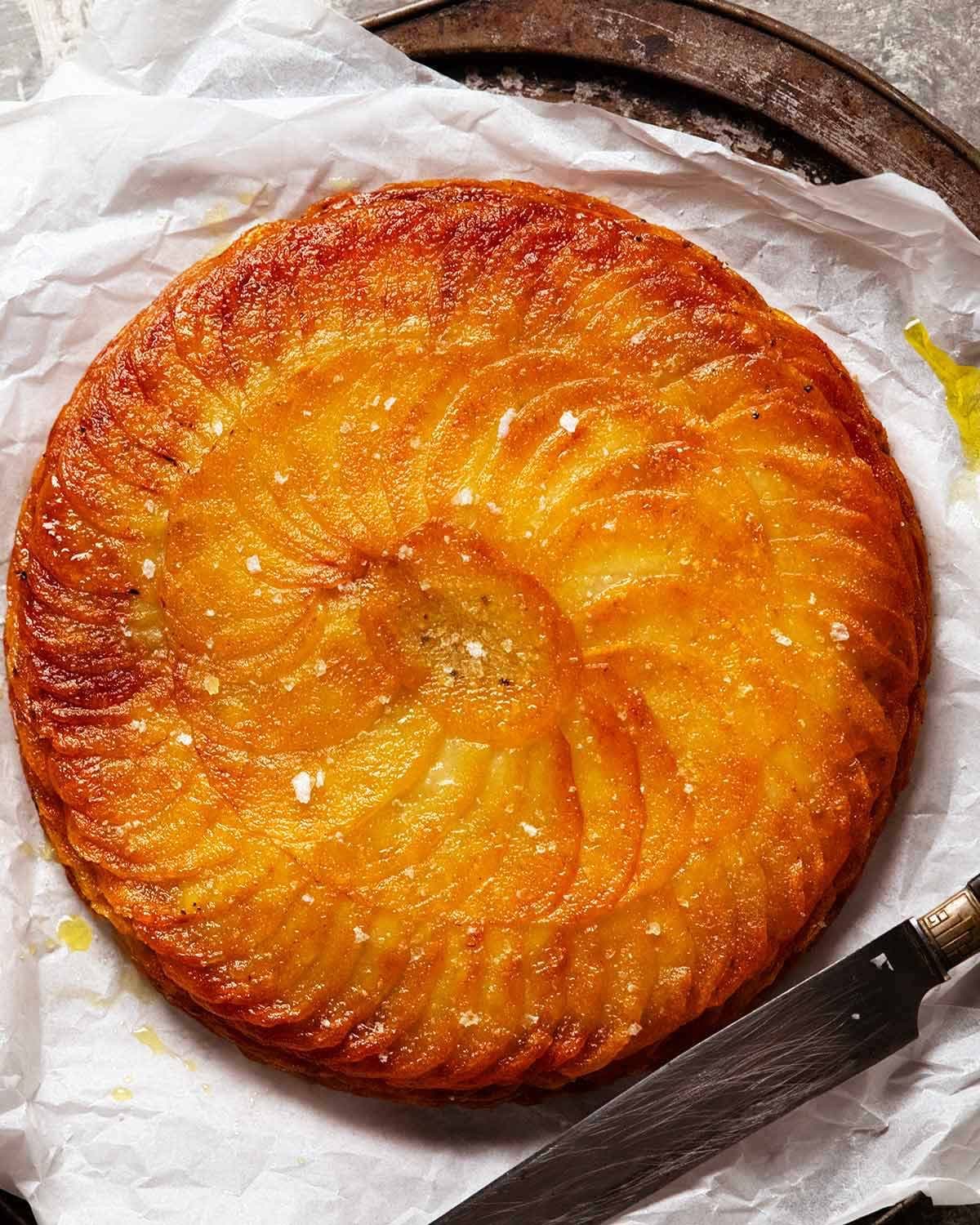
Pommes Anna
Pommes Anna is one of my favorite examples of French technique doing a lot with very little. Just potatoes, butter, seasoning, and precision—but when it lands, it arrives at the table like a centerpiece. Crisp edges, tender layers, and that deep buttery aroma make it unforgettable.
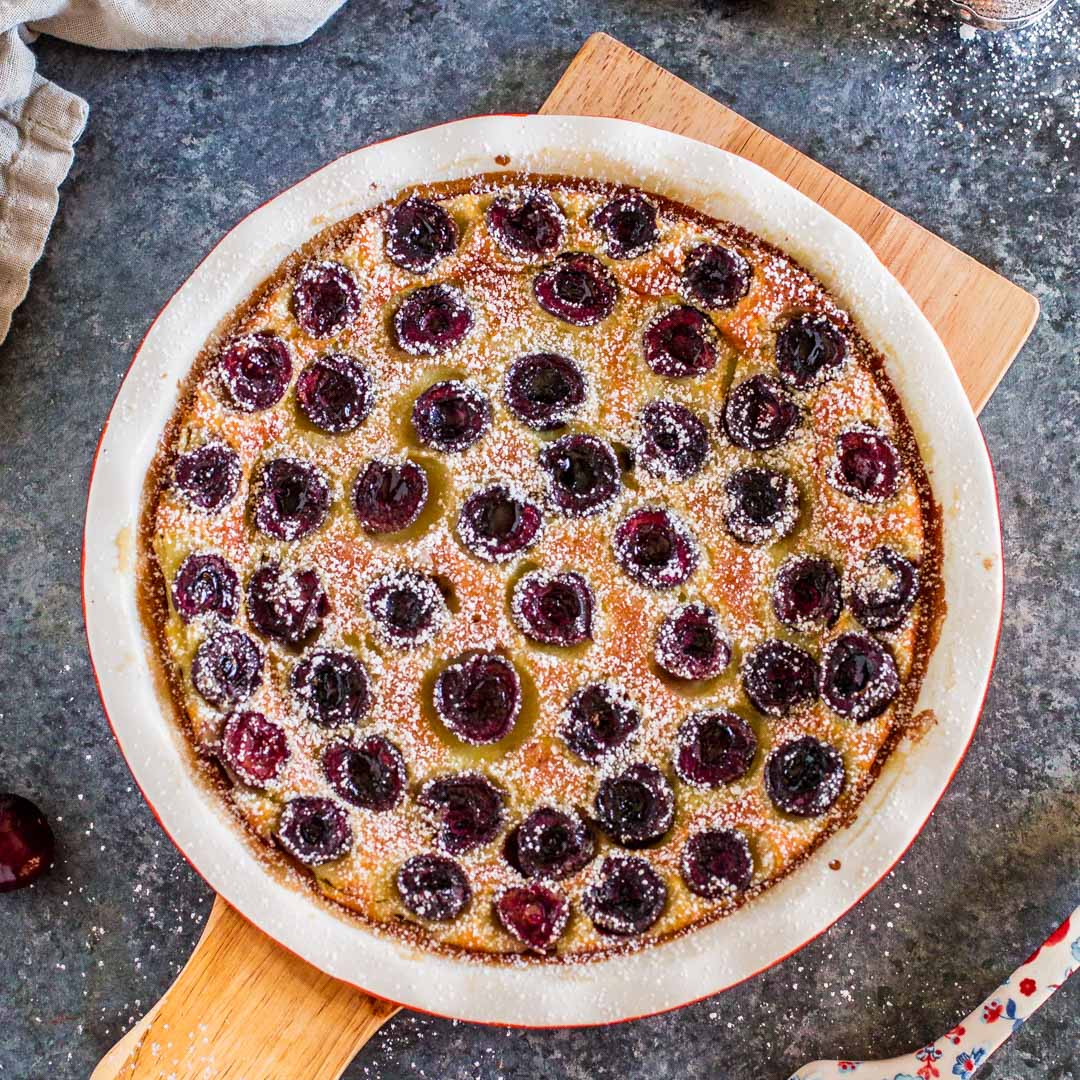
Clafoutis aux Cerises
Clafoutis is the kind of dessert I serve when I want the ending of a meal to feel relaxed, romantic, and deeply French. It comes out of the oven lightly puffed, scented with vanilla and fruit, and it asks for almost nothing more than a dusting of sugar.
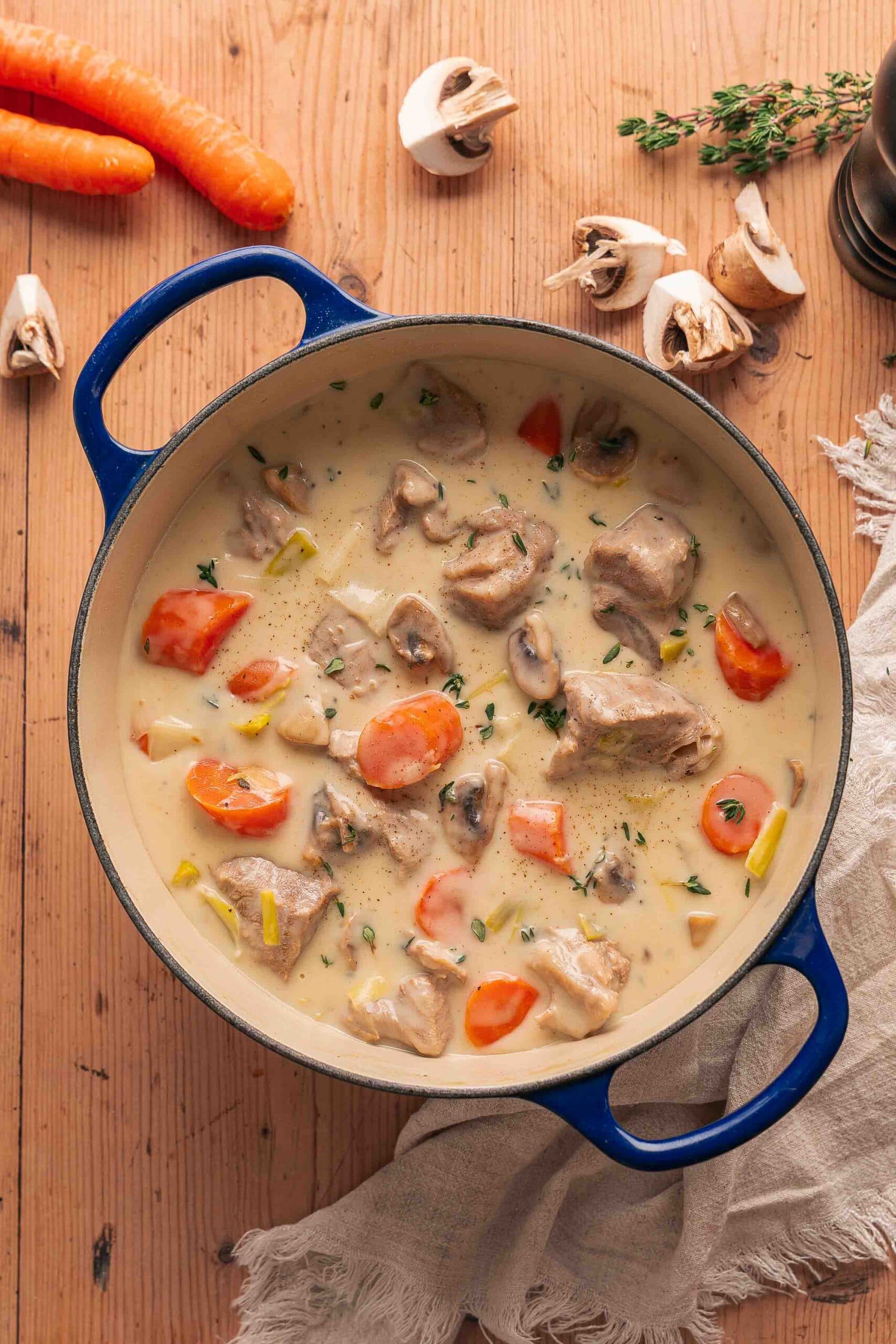
Blanquette de Veau
I love serving blanquette de veau when I want the table to feel quietly luxurious. The veal turns tender in a pale, silky sauce, and the perfume of mushrooms, pearl onions, and cream always brings the whole room closer. This is the kind of French comfort food I respect most—refined, steady, and deeply satisfying.
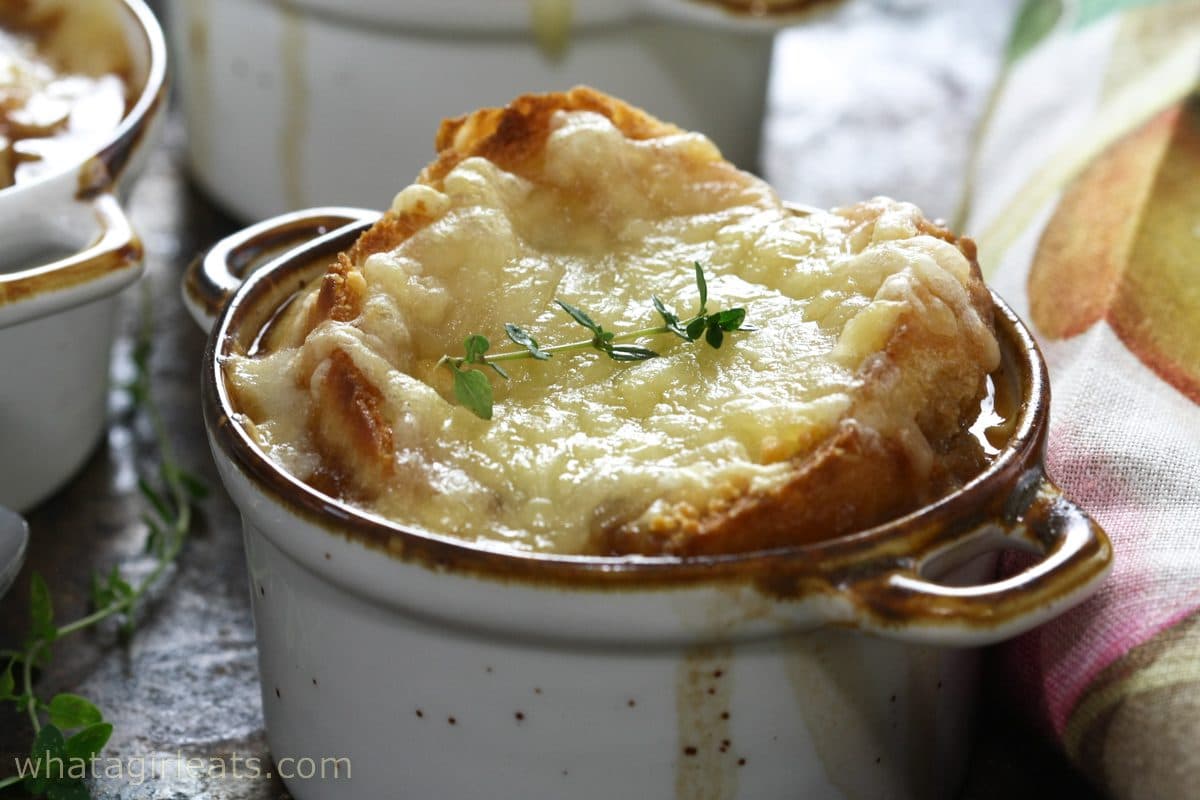
Soupe à l'Oignon Gratinée
I make this onion soup the old-school French way: slowly caramelized onions, a broth with real depth, and a bronzed cap of bread and Gruyère that stretches when the spoon breaks through. It is humble food, but when I serve it well, it feels luxurious and deeply comforting.
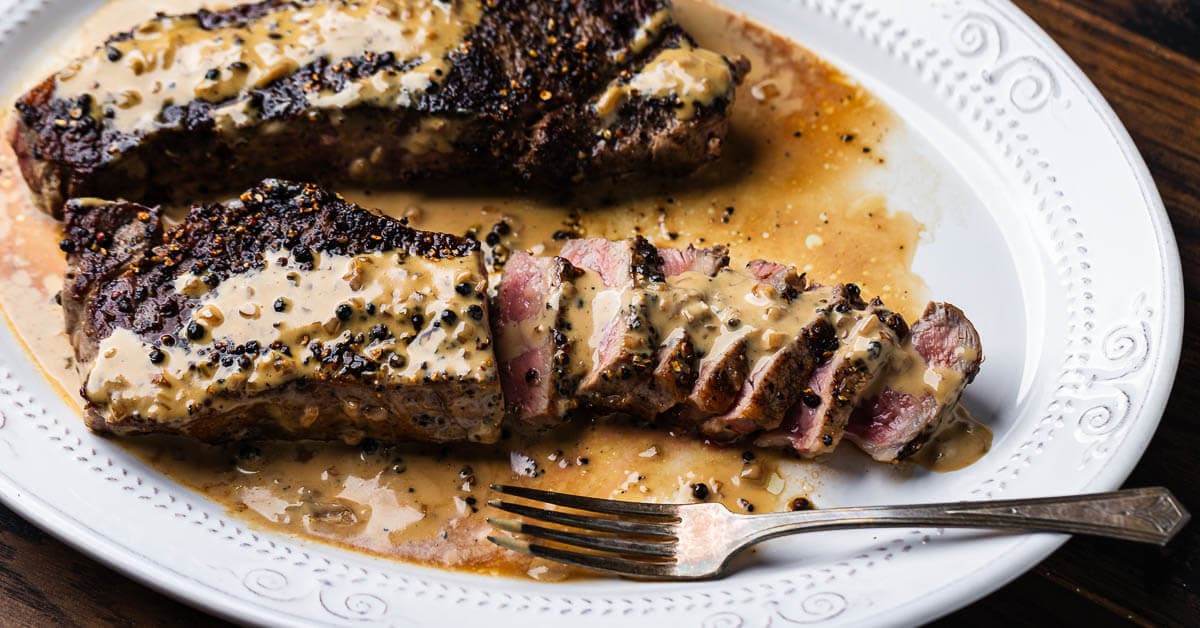
Steak au Poivre
I love serving steak au poivre when I want a dinner to feel bold, intimate, and unmistakably French. The crust of cracked pepper, the quick pan sauce, and the aroma of cognac and butter make it feel like a bistro classic with real swagger.
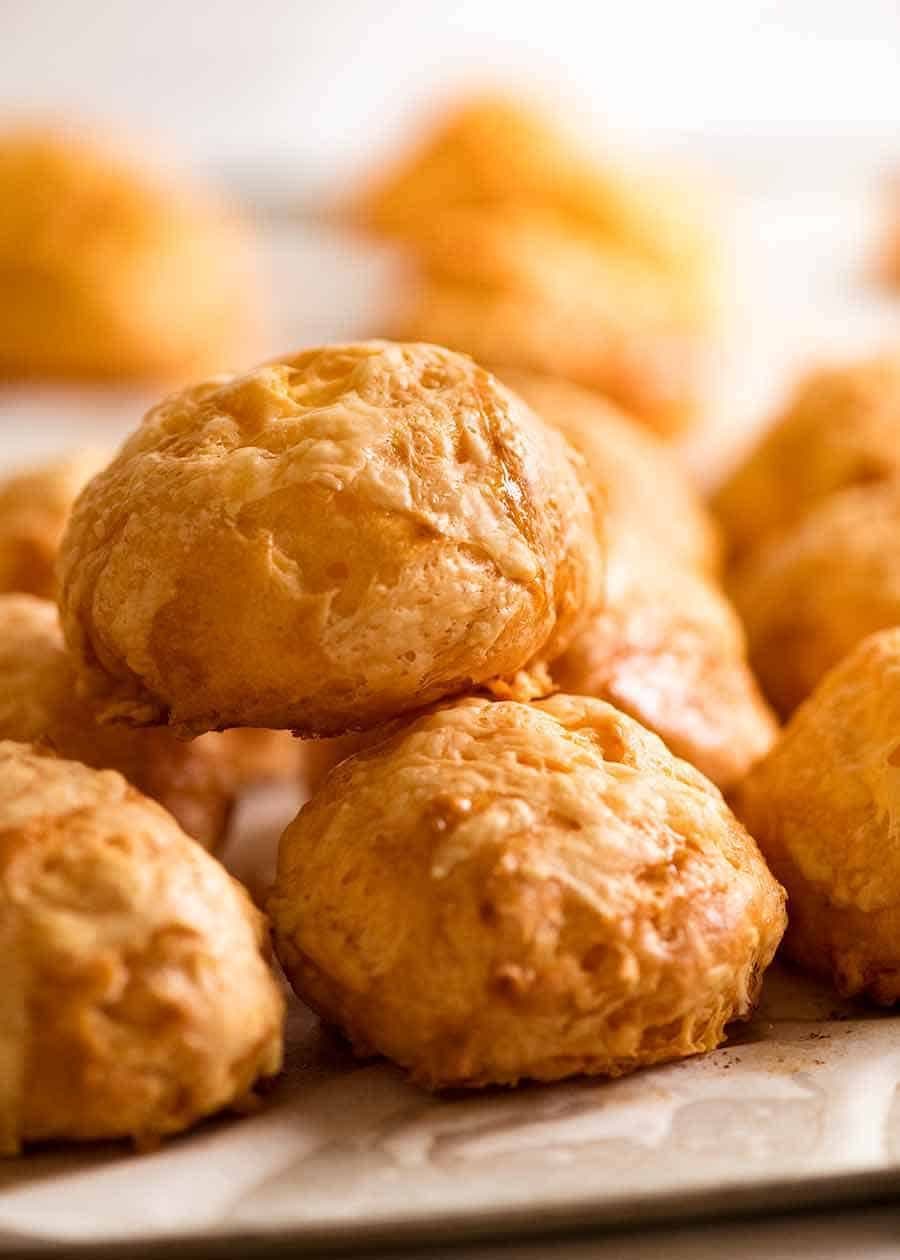
Gougères
When I pass a tray of warm gougères, guests always reach for a second one before they finish the first. They are light, savory, and deeply French—little cheese puffs that feel effortless to eat but reward careful technique.
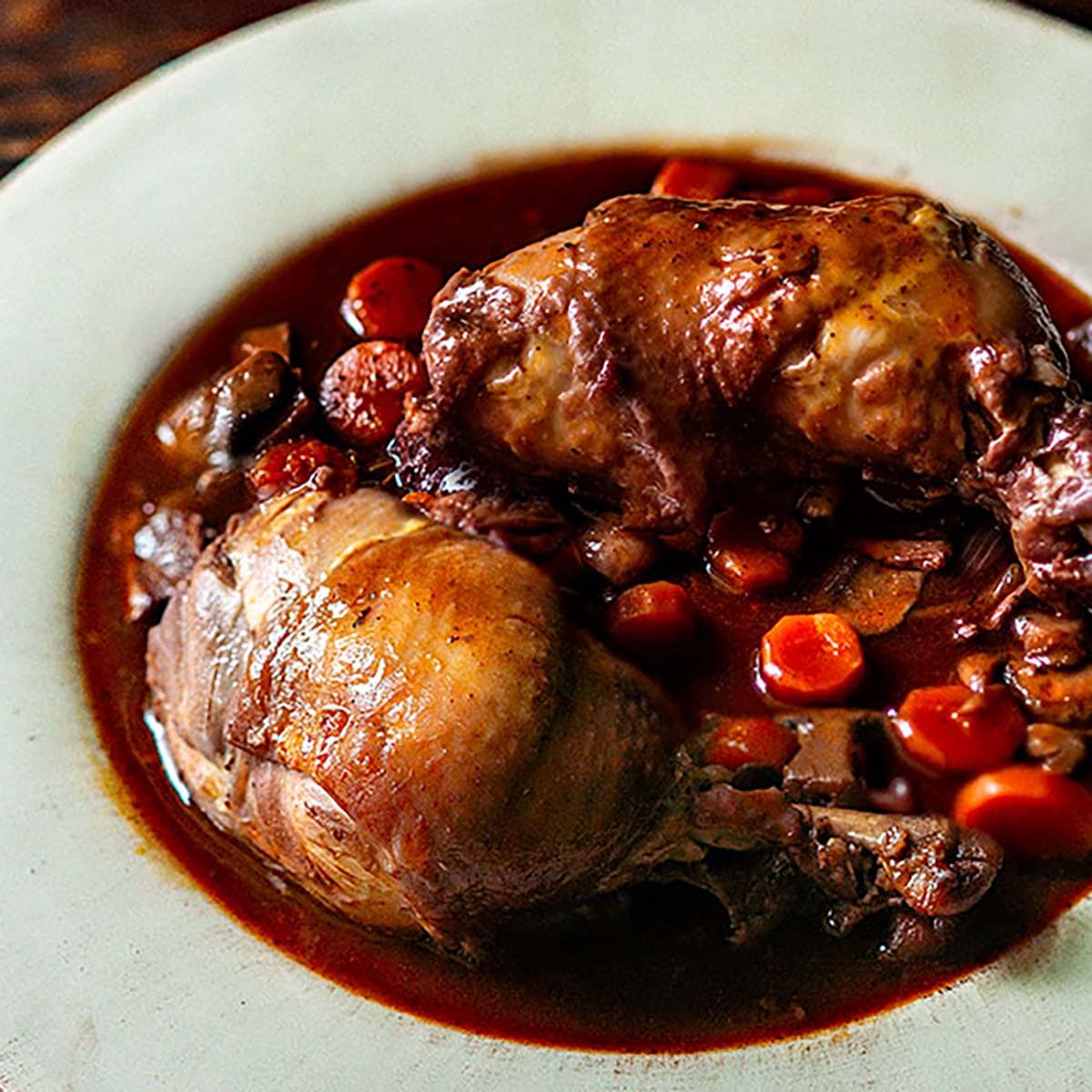
Coq au Vin
Chicken braised in a full bottle of Burgundy with lardons, mushrooms, and pearl onions. The French grandmother's pot, exactly as written.
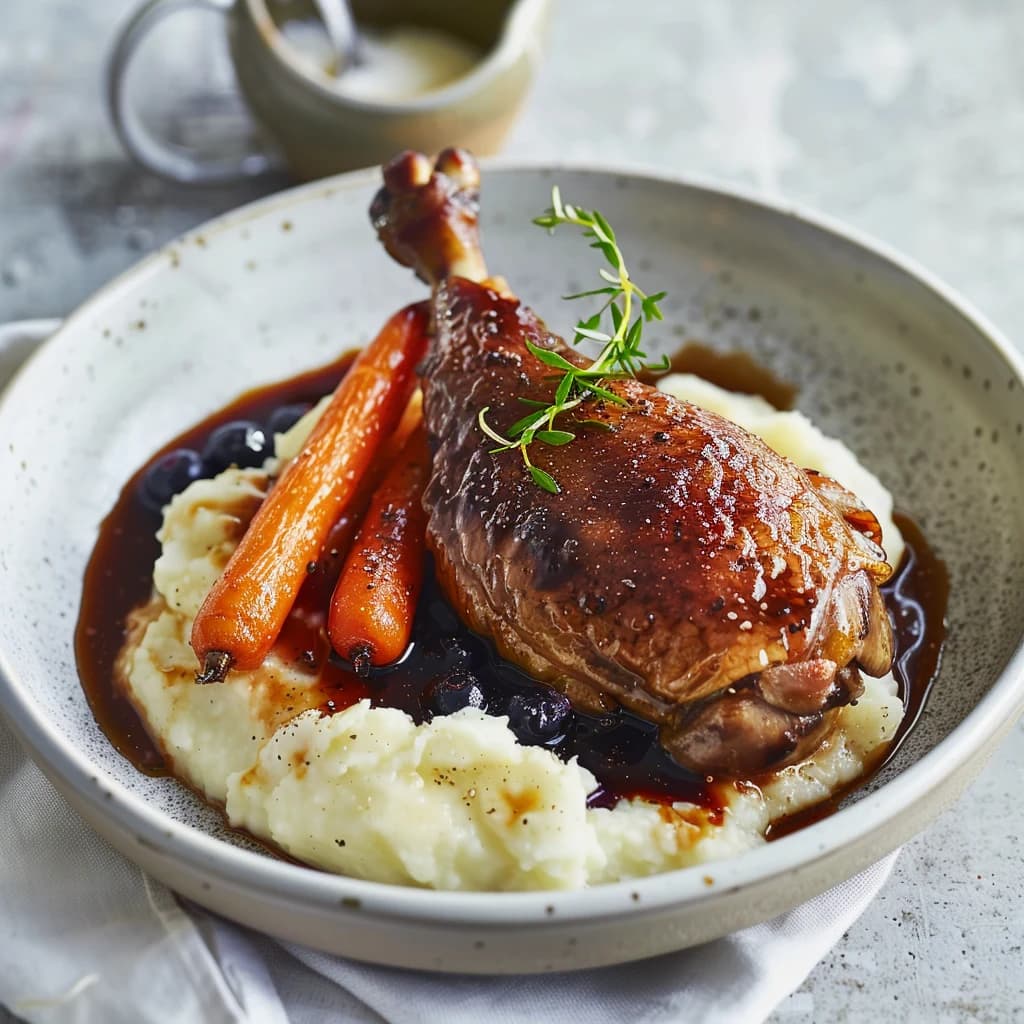
Duck Confit
Salt-cured duck legs submerged in their own fat and slow-cooked until the meat falls from the bone. Served with crispy skin and lentils du Puy.
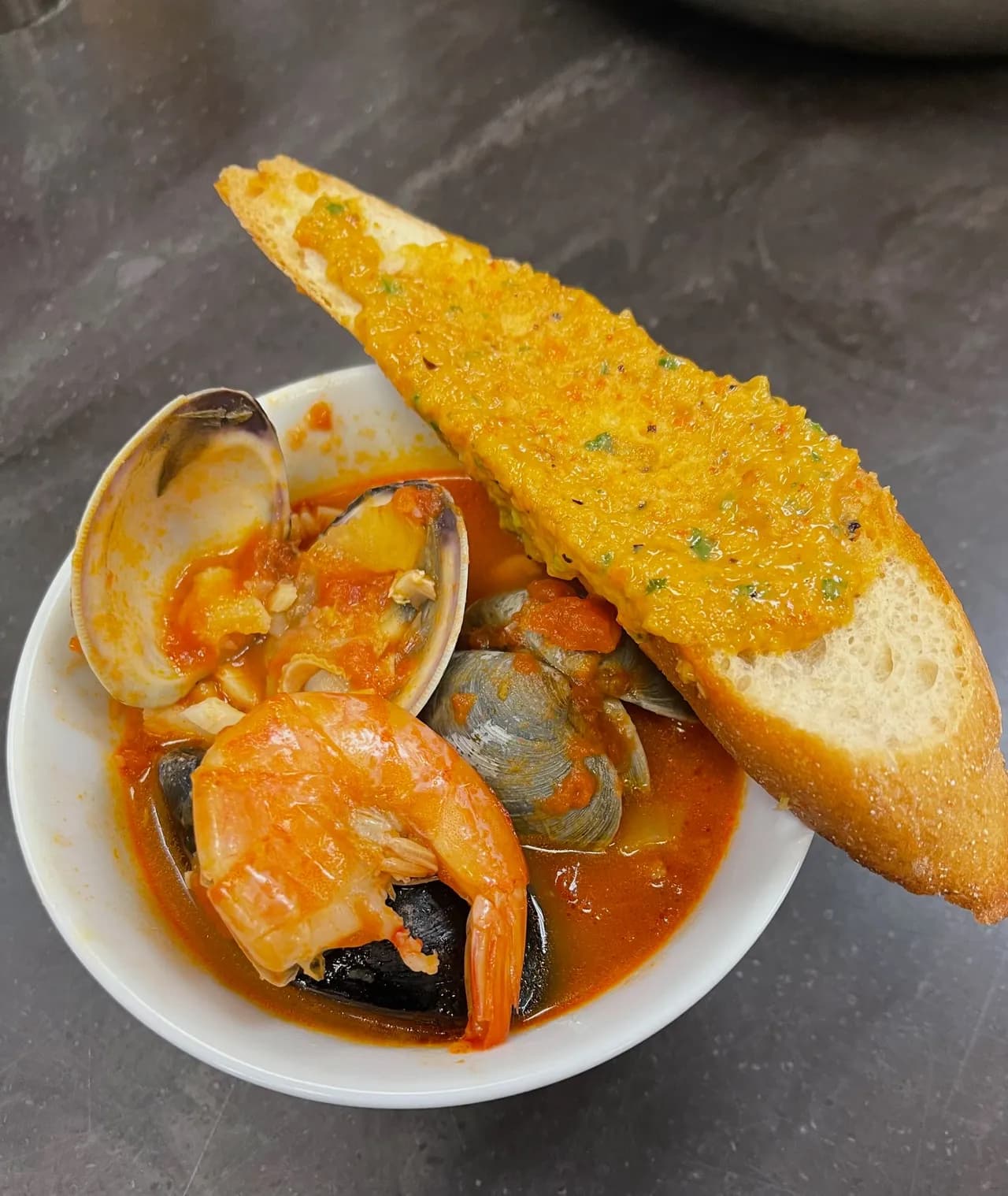
Bouillabaisse de Marseille
The North Atlantic, by way of Provence — built around what's pulled in at the dock that morning.

Ratatouille Provençale
Not the Pixar version — the slow, quiet Provençal one. Each vegetable cooked separately, then married in the oven with thyme and good olive oil.