
June 3, 2026

— 9 Minute · June 3, 2026
A Decade in Boston: One Chef's Education in New England
Yahya arrived in Boston from Casablanca with a palate shaped by tagines and a suitcase full of spices. Ten years later, his private dining menus tell a story of two culinary traditions that turned out to have more in common than anyone expected.
The first lobster Yahya ever cooked, he treated like a mistake. It was 2016, and he was working a prep shift at a restaurant in the South End, the kind of place that served New England classics to tables full of people who had been eating them their entire lives. The head chef handed him a crate of live lobsters and told him to dispatch and break them down. Yahya, who had grown up in the medina of Casablanca, where the closest equivalent was the sardine sellers of the port city of Essaouira, stood over the cutting board and did what he knew how to do: he cooked.
The results were, by his own later admission to a Boston food journalist, not great. Moroccan technique applied to Maine lobster produced something edible but confused, a dish that belonged to neither tradition and satisfied neither palate. It would take years of immersion in New England's food culture before Yahya understood what the lobster wanted, and longer still before he could articulate the connection between the seafood of the Atlantic coast and the cooking of his childhood.
That connection, unlikely as it sounds, is the thread that runs through Yahya's decade in Boston and the private dining business he has built from it. At the most basic level, both Moroccan and New England cooking are defined by proximity to the sea and respect for the ingredient. The fisherman's ethic, the insistence that freshness matters more than technique, that the quality of the raw material sets the ceiling for the finished dish, is as central to a clam shack in Gloucester as it is to a grill house in Essaouira.
The James Beard Foundation has tracked the growing influence of North African and Middle Eastern flavors in American fine dining over the past decade, noting a shift away from the French-Italian axis that dominated high-end American cooking for most of the twentieth century. Boston, with its concentration of universities, its immigrant communities, and its chefs' willingness to experiment, has been at the leading edge of this shift. Yahya's work sits within this broader movement but follows its own logic, one rooted less in trend-chasing than in the practical question of what happens when a cook trained in one tradition encounters entirely new ingredients.
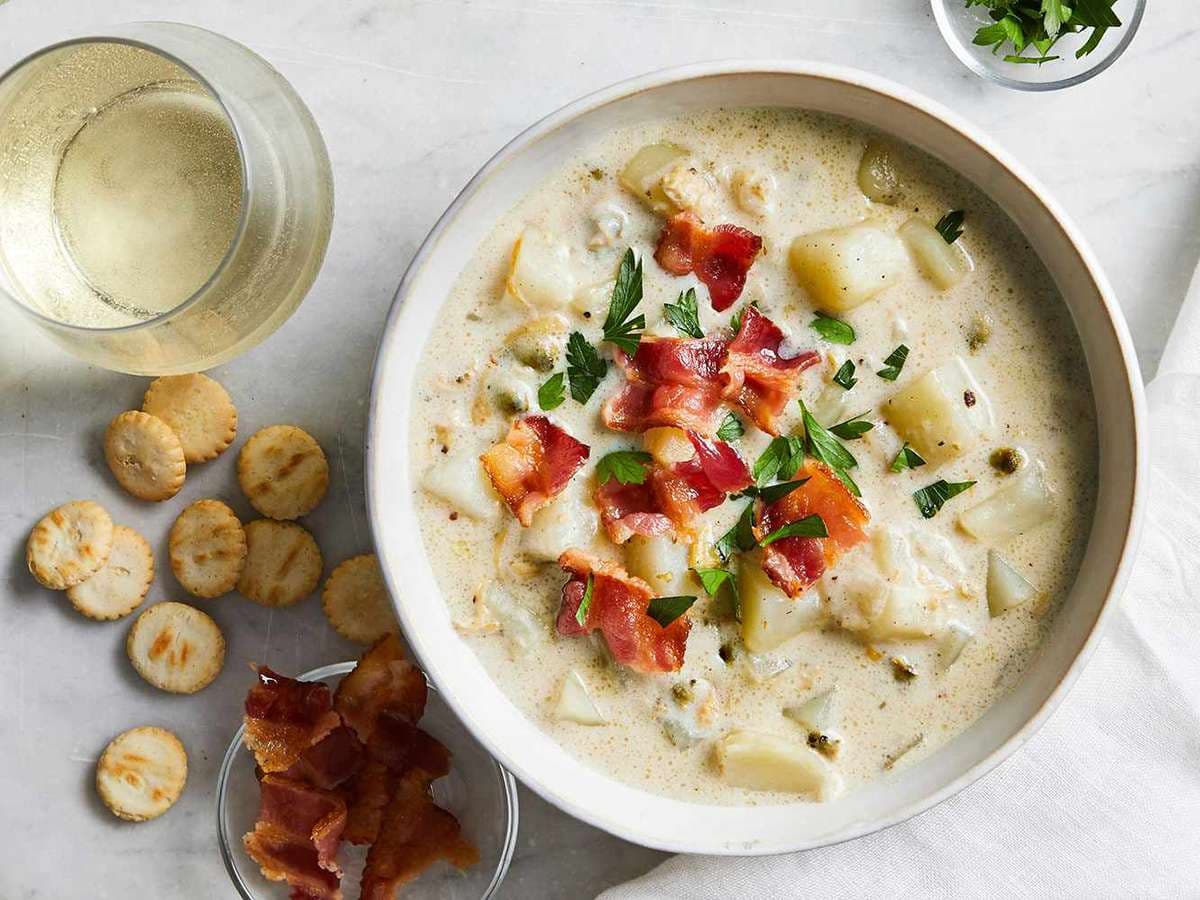
The answer, in Yahya's case, was a period of deliberate study. He spent his first years in Boston eating voraciously: clam chowder from every shop and restaurant he could find, lobster rolls from roadside stands on the North Shore, oysters at every price point, the Italian-American cooking of the North End, the Portuguese dishes of Fall River and New Bedford. He was building a vocabulary, learning the flavors that New Englanders considered foundational in the same way that harira and tagine and mint tea were foundational to him.

The turning point, as Yahya has described it in interviews, came not in a restaurant but at a fish market. He was handling a piece of fresh cod, the fish that built colonial New England's economy, and realized that the flesh had the same clean, firm, mild quality that made Moroccan white fish dishes work so well. Chermoula, the Moroccan marinade of cilantro, parsley, garlic, cumin, and paprika, was designed for exactly this kind of fish. The pairing was not fusion in the pejorative sense, not a gimmick of mixing unrelated things, but a recognition that two traditions had arrived at similar solutions for similar raw materials from opposite sides of the same ocean.
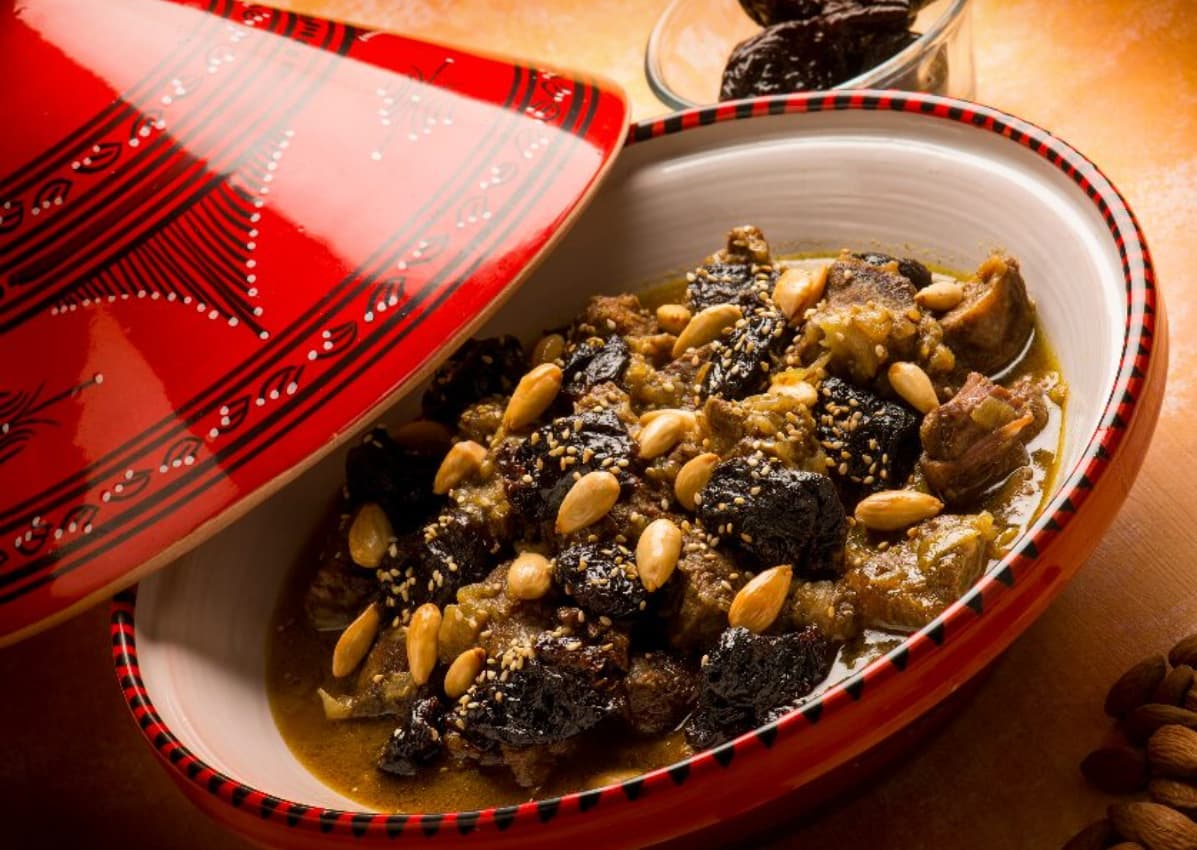
This insight became the foundation of his private dining approach. Yahya began offering menus that moved fluidly between traditions, not mixing them within a single dish but sequencing them across a meal. A dinner might open with New England littleneck clams steamed with chorizo and white wine, move to a Moroccan lamb tagine with preserved lemons and olives, and finish with a dessert that drew from both pantries. The effect, for diners, was of a conversation between two cuisines rather than a collision.
Boston's food media took notice. Local coverage highlighted the distinctiveness of Yahya's approach, noting how his private dining events offered something the city's restaurant scene largely did not: a deeply personal narrative expressed through food, with each course carrying a story about place, memory, and migration. The intimate format of private dining, with groups of eight to twenty guests seated at a single table, allowed for the kind of storytelling that a busy restaurant service makes impossible.

The private dining model itself has evolved significantly over the past decade, and Yahya's trajectory mirrors the industry's. What began as an informal supper club, essentially cooking for friends and their friends, has formalized into a full-service private chef operation serving Boston's network of professionals, academics, and families seeking an experience that restaurants cannot provide. The appeal is partly exclusivity, partly personalization, and partly the intimacy of having a chef cook in your own kitchen, adapting the menu to your preferences, your dietary needs, and the occasion.
The sourcing has become a central part of Yahya's practice and one of the areas where his Moroccan background provides an unexpected advantage. In Morocco, cooking is fundamentally seasonal and local by default, not because of any ideological commitment to farm-to-table principles, but because the supply chain simply does not support alternatives. You cook what the souk has today. This instinct, the ability to walk into a market and build a menu around what looks best rather than shopping from a predetermined list, translates directly to working with New England's seasonal bounty. Spring brings fiddleheads and ramps. Summer means native corn, tomatoes, and the peak of the lobster season. Autumn delivers hard-shell clams, cranberries, and the squashes that remind Yahya of the pumpkin used in Moroccan seven-vegetable couscous. Winter is for braising, for the long-cooked dishes that both traditions excel at.
The spice cabinet is where the two worlds intersect most literally. Yahya maintains what he describes as a dual pantry: the Moroccan shelf with its ras el hanout, cumin, saffron, preserved lemons, and orange blossom water, and the New England shelf with its Old Bay, celery salt, dried thyme, and bay leaves. The two shelves are not as far apart as they might seem. Both traditions lean on warm spices, on the combination of sweet and savory, on the belief that seasoning should enhance rather than mask the underlying ingredient.
Local sourcing data supports the viability of this approach. New England's fishing fleet, despite decades of regulatory challenges and declining stocks in some species, still lands significant volumes of cod, haddock, lobster, scallops, oysters, and clams. The region's network of small farms, farmers' markets, and community-supported agriculture programs provides access to produce of a quality that Yahya says rivals anything he encountered in Morocco's souks. The infrastructure for a cuisine built on local, seasonal ingredients is not merely present in New England; it is robust.
What Yahya has built over ten years is not a brand or a concept but a practice, in the sense that a musician or a martial artist practices. Each dinner refines his understanding of both traditions. Each season teaches him something new about New England's ingredients. Each client interaction sharpens his ability to read a room, to gauge when the table wants education and when it wants comfort.
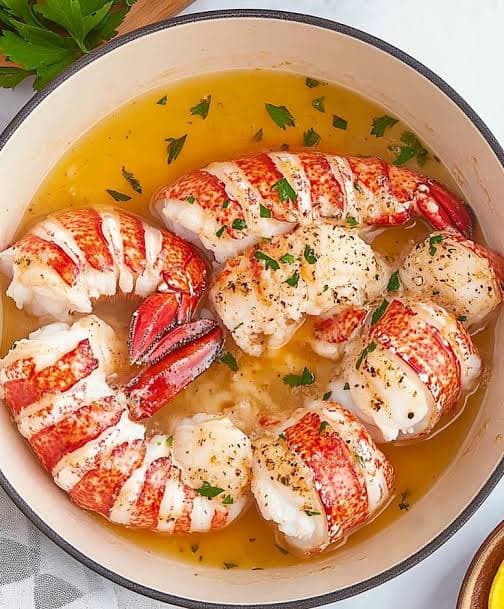
The question he is asked most often, whether he considers himself a Moroccan chef or an American chef, is one he has learned to deflect with humor. The answer, if it exists, is visible on the plate: a butter-poached lobster tail sitting next to a saffron-scented broth that could have originated in either Marrakech or Maine, and that belongs, in the end, to both.
— More to read

— 10 Minute · Article
Ramadan at the Table: The Foods That Break the Fast
When the sun sets during the holy month, the first bite is never random. Across the Muslim world, iftar follows a structure as precise as the fast itself, shaped by centuries of nutritional wisdom, religious practice, and culinary tradition.

— 10 Minute · Article
Liquid Gold: What Most People Get Wrong About Olive Oil
The bottle in your pantry is almost certainly not what it claims to be. The olive oil industry is plagued by fraud, misunderstanding, and a chemical complexity that most consumers never encounter. Here is what actually matters.

— 11 Minute · Article
The Tagine: A Vessel Shaped by Centuries
Long before Dutch ovens or pressure cookers, Berber cooks in North Africa perfected a conical clay vessel that turns scarce water and low heat into extraordinary depth of flavor — and modern food science is only now explaining why.

— 12 Minute · Article
Preserved Lemons — The Science, the Tradition, and the Three Weeks That Change Everything
Salt, citrus, time. Inside the Moroccan pantry staple that food scientists and chefs across three continents consider irreplaceable.

— 14 Minute · Article
The Lobster Chapter — From Trap to Table on the New England Coast
How a cold-water crustacean became the centerpiece of New England identity — and what most people still get wrong about cooking it.

— 9 Minute · Article
The Private Chef Question: What Happens When Dinner Is the Event
Private dining is booming. But the shift from restaurant kitchen to someone's home changes everything — the menu, the service, the relationship between chef and guest. Inside the quiet rise of dinner as experience.

— 9 Minute · Article
French Technique, Moroccan Soul: Where Two Traditions Meet
Confit and m'chermel. Roux and smen. Braise and tagine. The culinary overlap between France and Morocco runs deeper than colonial history — it is a conversation between two of the world's great kitchen traditions.

— 9 Minute · Article
The Table Is the Thing: Why Setting Matters as Much as Cooking
A perfectly cooked dish served on the wrong plate, in the wrong light, at the wrong height, loses something essential. The art of table setting is not decoration — it is the final act of cooking.
— 9 Minute · Article
Sourcing in New England: A Chef's Guide to the Local Supply Chain
Between the Boston Fish Pier and the winter CSA box, New England's food supply chain is more complex — and more fragile — than most diners realize. A practical look at what local actually means.
— 8 Minute · Article
The Grandmother Test: When a Recipe Is Actually Done
She never set a timer. She listened to the tagine, pressed the dough, smelled the bread. The unwritten knowledge of grandmothers is the most valuable — and most endangered — form of culinary intelligence.