
July 29, 2026

— 9 Minute · July 29, 2026
The Private Chef Question: What Happens When Dinner Is the Event
Private dining is booming. But the shift from restaurant kitchen to someone's home changes everything — the menu, the service, the relationship between chef and guest. Inside the quiet rise of dinner as experience.
Something shifted during the pandemic, and it did not shift back. When restaurants closed and dining rooms went dark, the desire for exceptional food did not disappear — it relocated. It moved into private homes, backyards, rented spaces, and intimate gatherings where a chef cooked for six or eight or twelve people instead of sixty. The experience was different from restaurant dining in ways that turned out to matter. It was more personal. More flexible. More intimate. And when the restaurants reopened, many diners discovered they preferred what they had found in the interim.
The numbers bear this out. Data from the US Bureau of Labor Statistics shows that employment in the personal chef and private cook category has grown steadily in the years following the pandemic, outpacing growth in the broader restaurant sector. The James Beard Foundation has identified private and pop-up dining as one of the defining trends in American food culture, noting that younger diners in particular are drawn to experiences that feel curated and exclusive rather than transactional. The private chef is no longer a luxury reserved for the ultra-wealthy. Increasingly, it is a choice made by people who want to entertain at home with food that exceeds what they can produce themselves.
The transition from restaurant cooking to private dining is more profound than it appears. In a restaurant, the chef is insulated from the diner by layers of infrastructure: the front-of-house staff, the expediter, the carefully designed dining room. The chef works in the back, invisible, focused on execution. The diner experiences the food but rarely the person who made it. In a private setting, those layers collapse. The chef is in the client's kitchen, often visible, sometimes in conversation with the guests. The food arrives not from a pass window but from a counter six feet away. The relationship between maker and consumer becomes immediate, almost domestic.
This intimacy changes the cooking. A restaurant chef designs dishes to be reproducible — the same plate, executed the same way, hundreds of times a week. A private chef designs dishes to be specific: to these guests, to this occasion, to this kitchen, to whatever the fishmonger had that was exceptional this morning. The menu for a Tuesday dinner party of eight can be completely different from the menu for a Saturday dinner party of eight, even if both clients have similar tastes, because the available ingredients have changed, the season has turned, or the chef simply has a different idea about what the evening should feel like.
Marcus Samuelsson, the Ethiopian-Swedish chef whose career has spanned fine dining, casual restaurants, television, and philanthropy, has spoken about the power of intimate dining with the kind of conviction that suggests he is not merely observing a trend but has experienced its effect. He argues that food tastes different when you can see it being made, when you can smell the garlic hitting the oil from your seat, when the person who cooked your meal can look you in the eye and tell you where the fish came from. This is not mysticism. It is the well-documented phenomenon of contextual influence on taste perception — the same phenomenon that makes wine taste better when you know its provenance, that makes a meal taste better when it is served in a beautiful room. Proximity to the cooking process is its own form of context, and it enhances the experience in ways that are difficult to replicate in a traditional restaurant format.

The practical challenges of private dining are significant and often underappreciated. A restaurant kitchen is a machine: standardized equipment, organized stations, a brigade system that distributes labor efficiently. A home kitchen is not a machine. It is a collection of domestic appliances — often underpowered, sometimes poorly maintained, always unfamiliar — that a chef must assess and adapt to within minutes of arrival. The oven may run twenty degrees hot. The burners may be electric when the chef is accustomed to gas. The cutting boards may be small. The knives may be dull. The refrigerator may be full of the client's groceries, leaving no room for the mise en place.
The response to these challenges is what separates a competent home cook from a professional private chef. The professional arrives with their own knives, their own tools, and a plan that has been stress-tested against the possibility that everything will be slightly wrong. They have cooked the menu before, in their own kitchen, under controlled conditions, and they know the dish well enough to adjust when the conditions change. This adaptability — the ability to produce excellent food under imperfect circumstances — is arguably the most important skill a private chef possesses, more important than any specific technique or recipe.
The client relationship adds another dimension that restaurant cooking does not require. A private chef must be part cook, part event planner, part psychologist. They must read the room: Is this a celebration or a casual weeknight? Are the guests adventurous eaters or conservative? Are there dietary restrictions that have not been mentioned? Is the host anxious about the evening, and if so, does the chef need to project calm and control to settle the atmosphere? Harvard Business Review research on the hospitality sector has identified this kind of emotional labor as a defining characteristic of high-end service industries, where the provider's demeanor is as much a part of the product as the tangible output.

The menu design process for private dining is itself a form of creative practice. Without the constraints of a restaurant format — where the menu must appeal to a broad clientele and be executable by a team — the private chef can take risks that would be impractical in a commercial setting. A seven-course Moroccan feast built around a whole lamb tagine. A seafood dinner where every course features a different species landed that morning. An Italian menu that begins with handmade pasta and ends with a cheese course sourced entirely from New England dairies. The freedom to be specific, to cook for these people on this night, is the private chef's greatest creative advantage.
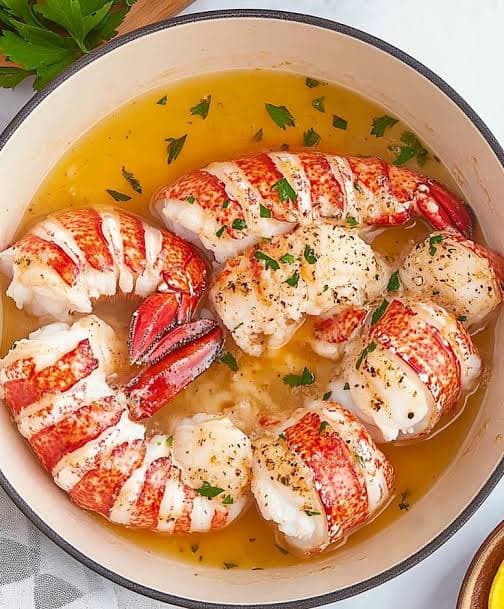
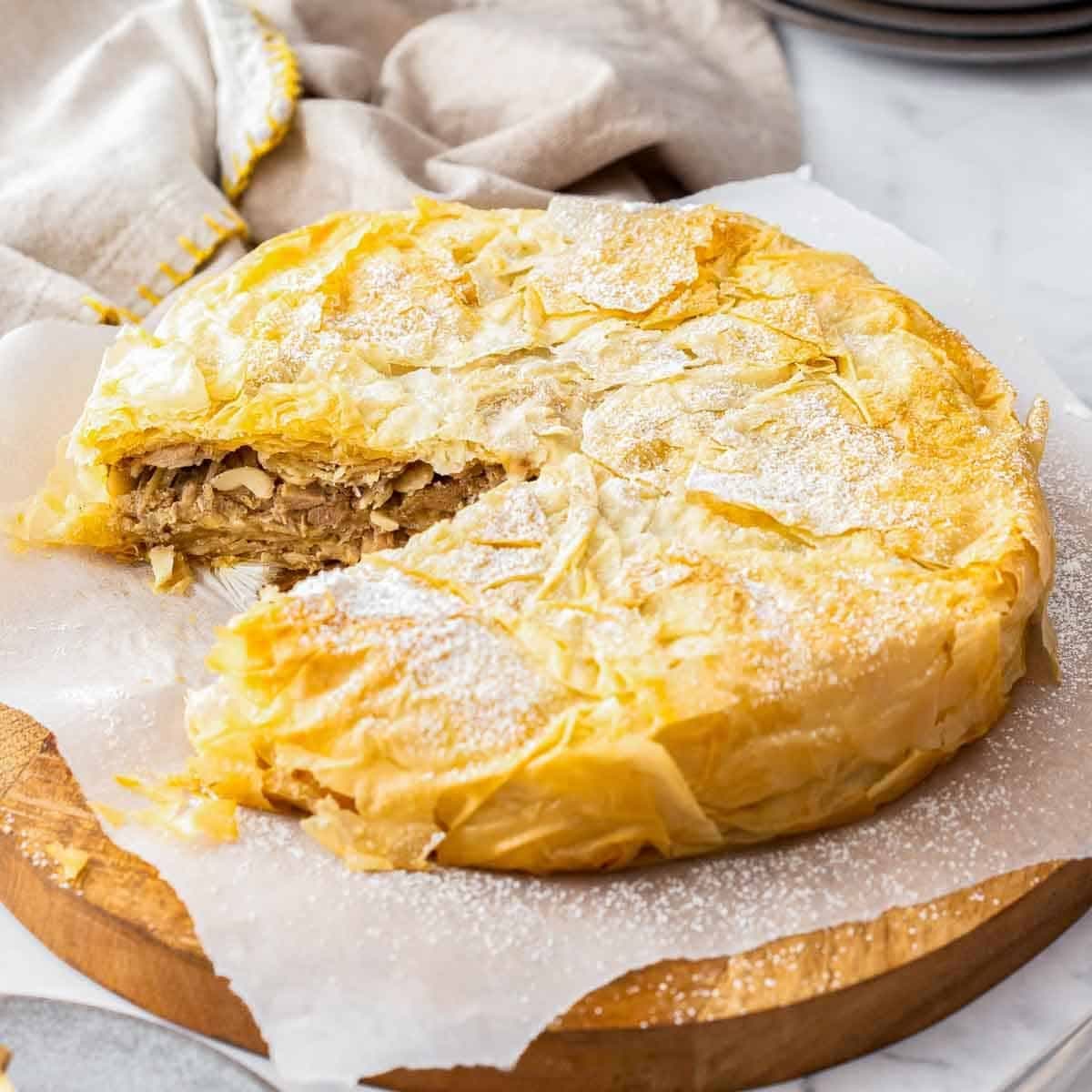
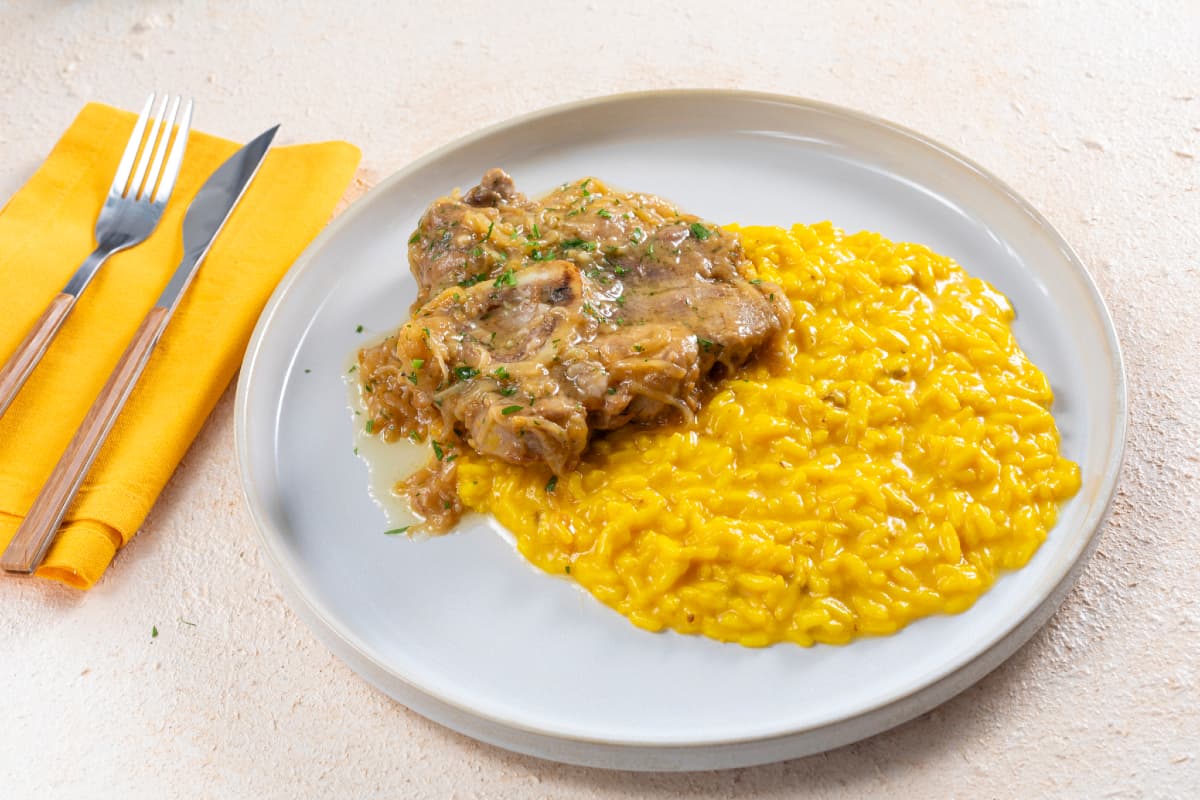
There is also the question of legacy. When a private chef cooks for a family repeatedly — for birthdays, holidays, anniversaries — the menu becomes entangled with memory. The lobster that was served the night of the engagement. The bastilla that has become a Thanksgiving tradition. The osso buco that the children now request by name. This accumulation of shared food history creates a bond between chef and client that is fundamentally different from the restaurant relationship. It is closer to the relationship between a family and the person who feeds them — which, stripped of its professional trappings, is exactly what it is.
The economics of private dining are worth noting, if only because they confound expectations. A private chef dinner for eight, including food costs, preparation, cooking, and service, typically ranges from a moderate to a significant per-person cost — comparable to a high-end restaurant but with the added value of privacy, customization, and the absence of markup on wine. For the chef, the economics can be favorable: fewer meals cooked, at higher margins, with more creative freedom and less of the physical punishment that restaurant kitchens inflict. The trade-off is instability — no guaranteed covers, no steady payroll, the constant hustle of client acquisition and relationship management.
But the trend line is clear. As dining culture continues to fragment — away from the monoculture of the white-tablecloth restaurant and toward a plurality of formats that include pop-ups, supper clubs, food halls, and private dining — the private chef occupies a position of increasing relevance. They are, in a sense, the oldest form of professional cook, predating the restaurant by centuries. Before there were restaurants, there were households, and in those households, there were cooks who turned raw ingredients into meals that brought people together around a table.
The private chef question — what happens when dinner is the event? — has a simple answer. When dinner is the event, everything intensifies. The food matters more because there is nothing else competing for attention. The setting matters more because it is someone's home, not a designed space. The relationship between chef and guest matters more because there is no buffer between them. And the meal itself, freed from the compromises of commercial dining, has the opportunity to be exactly what it should be: specific, personal, and made with the full attention of someone who understands that feeding people well is one of the most fundamental forms of care.
That understanding — that cooking for someone is an act of generosity, not just a service — is what drives the best private chefs. It is also, not coincidentally, what drove the grandmother who never needed a recipe. The scale is different. The intention is the same.
— More to read

— 10 Minute · Article
Ramadan at the Table: The Foods That Break the Fast
When the sun sets during the holy month, the first bite is never random. Across the Muslim world, iftar follows a structure as precise as the fast itself, shaped by centuries of nutritional wisdom, religious practice, and culinary tradition.

— 10 Minute · Article
Liquid Gold: What Most People Get Wrong About Olive Oil
The bottle in your pantry is almost certainly not what it claims to be. The olive oil industry is plagued by fraud, misunderstanding, and a chemical complexity that most consumers never encounter. Here is what actually matters.

— 11 Minute · Article
The Tagine: A Vessel Shaped by Centuries
Long before Dutch ovens or pressure cookers, Berber cooks in North Africa perfected a conical clay vessel that turns scarce water and low heat into extraordinary depth of flavor — and modern food science is only now explaining why.

— 12 Minute · Article
Preserved Lemons — The Science, the Tradition, and the Three Weeks That Change Everything
Salt, citrus, time. Inside the Moroccan pantry staple that food scientists and chefs across three continents consider irreplaceable.

— 14 Minute · Article
The Lobster Chapter — From Trap to Table on the New England Coast
How a cold-water crustacean became the centerpiece of New England identity — and what most people still get wrong about cooking it.

— 9 Minute · Article
French Technique, Moroccan Soul: Where Two Traditions Meet
Confit and m'chermel. Roux and smen. Braise and tagine. The culinary overlap between France and Morocco runs deeper than colonial history — it is a conversation between two of the world's great kitchen traditions.
— 9 Minute · Article
The Table Is the Thing: Why Setting Matters as Much as Cooking
A perfectly cooked dish served on the wrong plate, in the wrong light, at the wrong height, loses something essential. The art of table setting is not decoration — it is the final act of cooking.

— 9 Minute · Article
Sourcing in New England: A Chef's Guide to the Local Supply Chain
Between the Boston Fish Pier and the winter CSA box, New England's food supply chain is more complex — and more fragile — than most diners realize. A practical look at what local actually means.
— 8 Minute · Article
The Grandmother Test: When a Recipe Is Actually Done
She never set a timer. She listened to the tagine, pressed the dough, smelled the bread. The unwritten knowledge of grandmothers is the most valuable — and most endangered — form of culinary intelligence.

— 9 Minute · Article
On Bread: The Oldest Recipe in the World
From Moroccan khobz baked in communal ovens to the exacting crumb of a French baguette, bread remains the one recipe every civilization shares. A look at the science, history, and quiet revolution happening in flour and water.